Empower Your Mind: Your Beacon For Latest Knowledge and Insightful Learning.
Mediation: A Modern Path to Peaceful Dispute Resolution resolution |
|
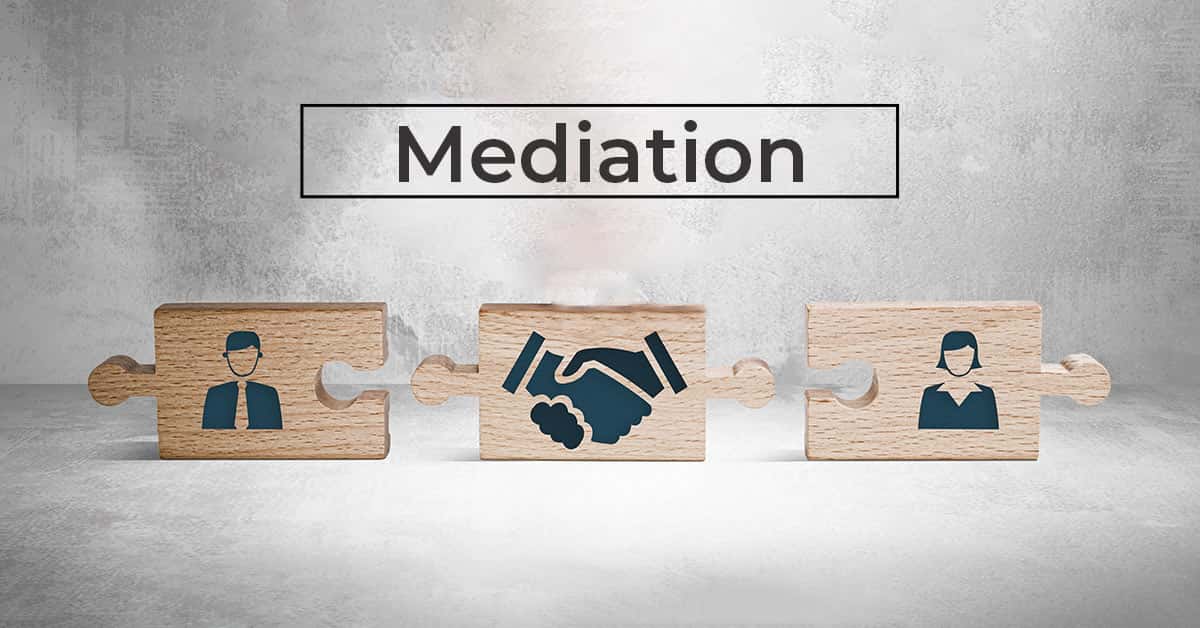
 Mediation: A Modern Path to Peaceful Dispute Resolution  Mediation is a peaceful way to solve problems without going to court. It involves a neutral person called a mediator, who helps the two sides talk to each other, understand each other’s views, and find a solution that both can agree on. The mediator does not decide who is right or wrong but simply guides the conversation. Everything discussed in mediation stays private and confidential. It’s based on trust, respect, and cooperation rather than arguments and blame blame. Benefits of Mediation Mediation offers several advantages over traditional litigation. It is both time-efficient and cost-effective, allowing disputes to be resolved in weeks or months rather than years. The process is private and confidential, protecting the reputation and interests of those involved. Mediation helps preserve relationships, which is particularly important in family, business, and community disputes. It also ensures party control over outcomes, since the resolution is crafted by the parties themselves rather than imposed by a court. Moreover, mediation encourages creative and flexible solutions, making it possible to reach settlements that serve everyone’s interests instead of rigid legal remedies. Approach of Courts Towards Mediation Courts have increasingly acknowledged mediation as a valuable tool to reduce case backlogs and promote amicable settlements. In India, Section 89 of the Code of Civil Procedure, 1908 empowers courts to refer suitable disputes to mediation. The Supreme Court and several High Courts have consistently emphasized mediation as a means of achieving justice outside the adversarial framework. Laws such as the Family Courts Act, 1984 and the Commercial Courts Act, 2015 further encourage pre-litigation mediation. Through these initiatives, the judiciary recognizes mediation not as a substitute but as an essential component of the justice delivery system. Convenience and Accessibility One of the most appealing features of mediation is its convenience. Sessions can be arranged at the convenience of all parties, and the environment is informal, relaxed, and free from courtroom pressures. This encourages honest communication and reduces emotional strain. The process is adaptable and less technical, making it accessible even to individuals unfamiliar with legal proceedings. With the rise of virtual and online mediation platforms, parties from different locations can now resolve disputes efficiently without physical meetings, making justice more inclusive and reachable. Party’s Autonomy in Mediation Mediation empowers the parties by giving them complete control over the process. They have the freedom to choose the mediator, decide the terms of the settlement, and even discontinue the process if they wish. This autonomy fosters a sense of ownership and responsibility, increasing the likelihood of voluntary compliance with the agreement. Unlike litigation, where the judgment is binding and may leave one party dissatisfied, mediation results in a mutually crafted solution, promoting cooperation and long-term peace. Mediator vs. Judge: A Comparative Role The role of a mediator differs significantly from that of a judge. A judge adjudicates disputes based on law and evidence, delivering a binding judgment that determines right and wrong. In contrast, a mediator acts as a facilitator, guiding the discussion and encouraging collaboration without imposing a decision. Court proceedings are formal, structured, and public, whereas mediation is informal, flexible, and confidential. While judges deliver justice through law, mediators achieve harmony through understanding, aiming for a win–win outcome rather than victory for one side. Mediation vs. Litigation: Comparative Benefits When compared with litigation, mediation stands out for its speed, affordability, and emotional ease. Litigation can stretch over years, draining time, money, and energy, while mediation offers quick resolutions. Court proceedings are public, but mediation protects privacy. The adversarial nature of litigation often damages relationships, whereas mediation fosters dialogue and respect. Because mediation outcomes are reached voluntarily, settlements are more likely to be respected and followed. Overall, mediation combines efficiency, economy, and empathy — qualities often missing in traditional litigation. Future Role of Mediation  The future of mediation appears promising as societies move toward more collaborative forms of justice. With the establishment of court-annexed mediation centers and the enactment of the Mediation Act, 2023, India has taken major steps to institutionalize and strengthen mediation practices. There is growing emphasis on pre-litigation mediation and online dispute resolution (ODR) to reduce court congestion. Mediation is gradually becoming a cultural shift in conflict resolution — focusing on restoring harmony rather than merely determining fault. Conclusion Mediation represents more than an alternative to litigation; it is the evolution of justice itself. By promoting communication over confrontation and cooperation over compulsion, it redefines how disputes can be resolved with dignity and understanding. It saves time, preserves relationships, and delivers outcomes that are both fair and satisfying. In a world where peace is often overshadowed by legal battles, mediation stands as a bridge to understanding. As jurist Nani Palkhivala aptly said, “The greatest victory is not in winning a case, but in resolving a conflict.†Whatsapp |
 +91 88262 30101